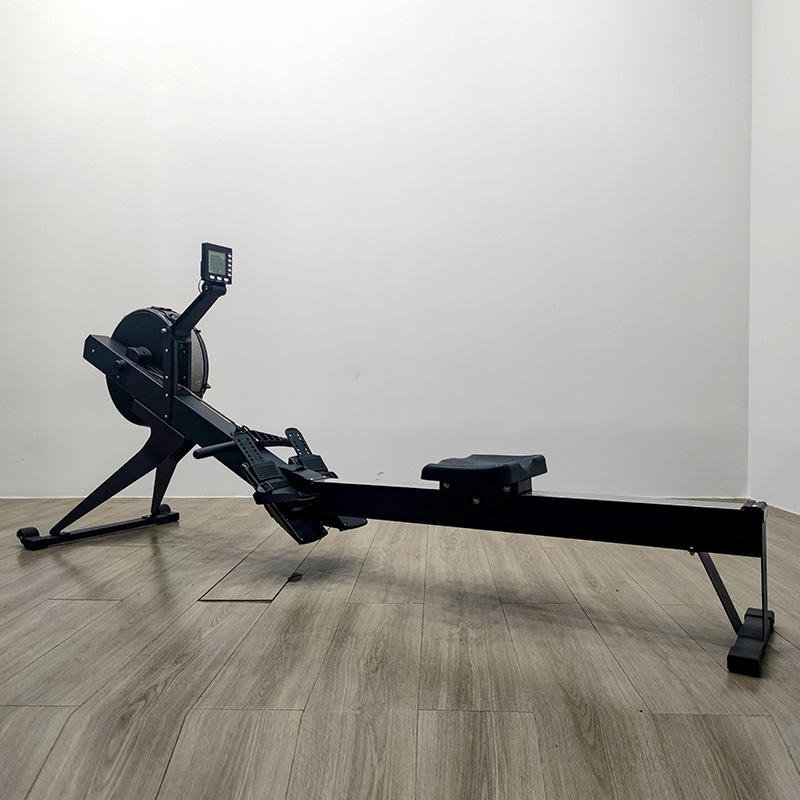
You have invested in one of the Best Rowing Machines on the market. It’s sitting in your home gym, ready to go. But having the equipment is only half the battle. To truly transform your fitness, you need to know how to use it effectively.
Rowing is often called the "perfect exercise" because of its efficiency. However, efficiency relies on execution. Without the right technique and structure, you might just be spinning your wheels (or flywheel).
In this guide, we explore how to choose the right approach for your sessions, from the essential warm-up to advanced interval tracking, ensuring every stroke counts toward your goals.

1. The Foundation: Why the Warm-Up is Non-Negotiable
Before you chase a personal best, you must prepare your engine. Rowing is a full-body power movement that places demand on your lower back and hamstrings. Jumping into a high-intensity sprint with "cold" muscles is a recipe for injury.
How to Warm Up Effectively
A proper warm-up increases blood flow and lubricates your joints.
Off-Machine (3 Minutes): Perform dynamic stretches like leg swings, arm circles, and bodyweight squats to loosen the hips and shoulders.
On-Machine (5 Minutes): Start with the "Pick Drill."
Safety Note: A proper warm-up not only protects your body but also protects your machine. Sudden, jerky movements on a cold chain or strap can increase wear. Regular Rowing Machine Maintenance combined with smooth usage ensures longevity.
2. Mastering the Stroke: Technique Over Intensity
To maximize results, you must choose efficiency over brute force. The rowing stroke has a specific sequence. Getting this wrong wastes energy and reduces the workout's effectiveness.
The Order of Operations
Think of the stroke as a dance with a rhythm: Legs, Body, Arms... Arms, Body, Legs.
The Catch: Shin vertical, arms straight, core braced.
The Drive: Push explosively with your Legs first. Once legs are extended, swing the Body back. Finally, pull the Arms to the chest.
The Finish: Legs flat, core leaned back slightly, handle at the sternum.
The Recovery: Extend Arms away. Swing Body forward. Bend Legs to slide back to the start.
Adjusting Resistance (The Drag Factor)
A common mistake is setting the resistance to "10" (or Max) thinking it provides a better workout.
High Resistance: Like rowing a heavy wooden boat. Good for strength, but can strain the back.
Medium Resistance (3-5): Like a sleek racing shell. Best for cardiovascular endurance and speed.
Recommendation: For most workouts, choose a medium setting to maintain a higher stroke rate and better form.
3. Effective Workout Plans for Every Level
How do you choose the best plan? It depends on your current fitness baseline.
The Beginner Plan: "The steady 20"
Focus: Consistency and Form.
Duration: 20 Minutes.
Stroke Rate: 18–22 strokes per minute (SPM).
Goal: Maintain a consistent split time (speed) for the entire duration. Do not stop. If you get tired, slow down, but keep moving.
The Intermediate Plan: "Variable Intervals"
Focus: Aerobic Capacity.
Structure: 4 rounds of [5 mins Rowing / 2 mins Active Rest].
Intensity: During the 5 minutes, increase your stroke rate to 24-26 SPM. During rest, paddle lightly.
The Advanced Plan: "The HIIT Blaster"
Focus: Anaerobic Power and Fat Burn.
Structure: 10 rounds of [30 seconds MAX effort / 30 seconds Rest].
Intensity: This is an all-out sprint. Aim for 30+ SPM. This triggers the "afterburn" effect, keeping your metabolism elevated for hours.
Upgrade Your Gear: Advanced workouts require a stable machine that can handle explosive power. Check out our heavy-duty Rowing Machines designed for high-intensity performance.
4. Monitoring and Evaluating Progress
You cannot improve what you do not measure. Modern Rowing Machines come equipped with monitors that provide a wealth of data.
Key Metrics to Watch
Split Time (/500m): This is your true speed. It tells you how long it would take to row 500 meters at your current pace. Watch this number to ensure you aren't "fading" towards the end of a workout.
Stroke Rate (SPM): Keep this controlled. A higher rate isn't always better. Efficient rowers can generate high power at a low stroke rate.
Heart Rate: According to the Mayo Clinic, training in different heart rate zones yields different results.
Pro Tip: Keep a training log. Record your meters rowed and average split time. Seeing these numbers improve over weeks is a powerful motivator.
Conclusion
Maximizing your results on a rowing machine isn't about pulling as hard as you can every single day. It is about choosing the right strategy: warming up properly, mastering the sequence of the stroke, and varying your workout intensity.
By following these principles, you turn your rower from a simple piece of equipment into a comprehensive training system.
Ready to push your limits? Ensure you have the right equipment for the job. Browse our catalog of performance-focused Rowing Machines to find the perfect partner for your fitness journey.

Frequently Asked Questions (FAQ)
Q: How often should I use my rowing machine to see results?
A: For visible results, aim for 3 to 4 sessions per week, lasting 20 to 30 minutes each. Consistency is more important than occasional marathon sessions.
Q: Will rowing hurt my back?
A: It shouldn't. Back pain usually comes from poor form (rounding the spine) or setting the resistance too high. Focus on engaging your core and keeping your back straight.
Q: Can I build muscle on a rowing machine?
A: Yes. Rowing is a resistance exercise. By increasing the drag factor and performing "power strokes" (explosive drives), you can build strength in your legs, back, and shoulders.
Q: How do I know if my form is correct?
A: Record a video of yourself rowing from the side. Compare it to tutorial videos from experts. If your hands are hitting your knees, or you are leaning back too far, adjust your timing.
 注: 建议图片大小150px*50px