
Plate-loaded strength · product type
Plate-loaded pulling stations for vertical and horizontal back work
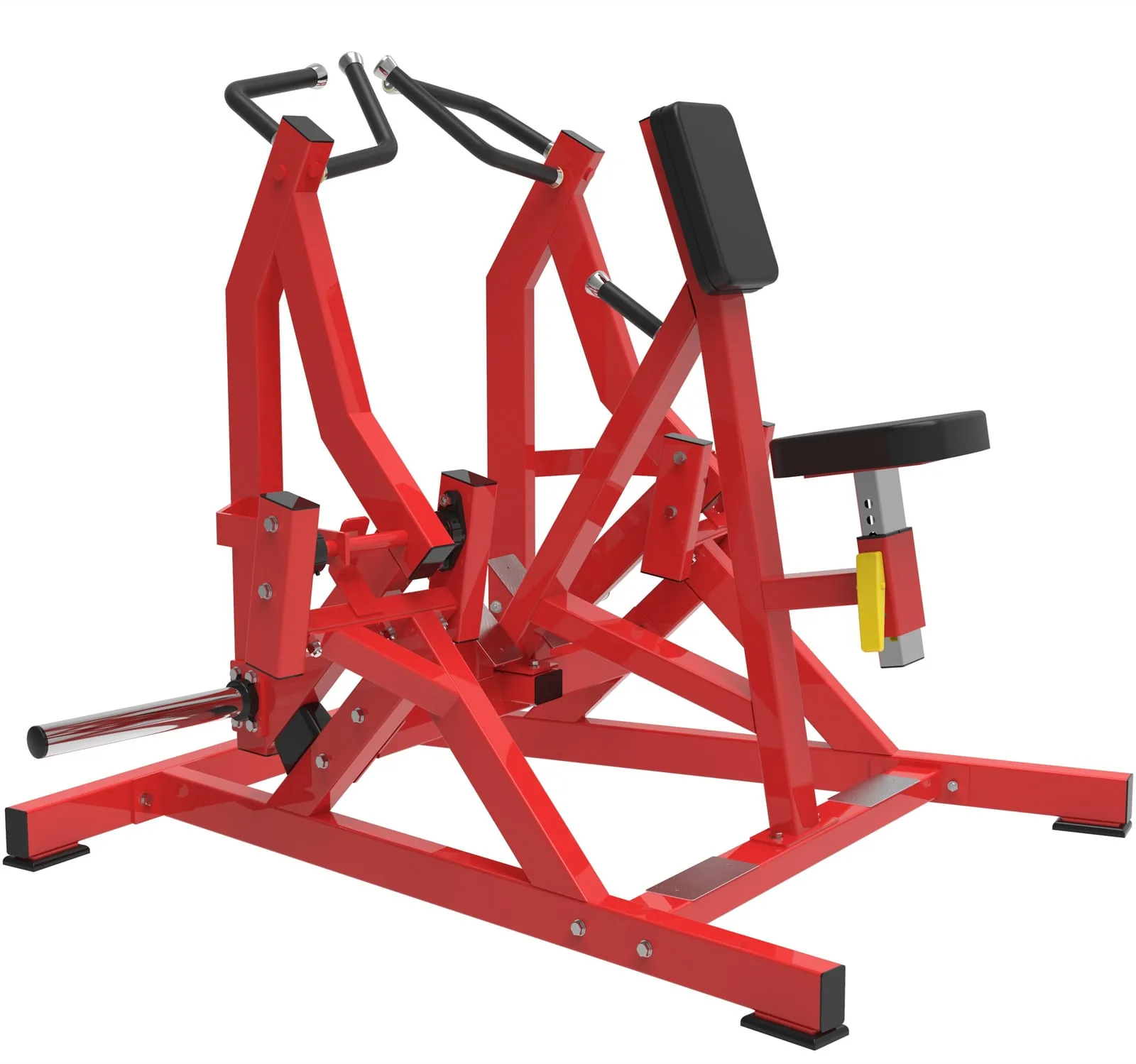
This range covers chest-supported rows, seated rows, high rows, low rows and converging lat machines that use external plates. Buyers usually compare support, handle options and the position of the plate-loading points.
Buyer fit
Where this product type fits
A strong fit for strength-focused gyms, performance facilities and distributors whose customers already own Olympic plates and want more pulling variety.
Chest-supported rows
Horizontal pulling with a supported torso and reduced lower-back demand.
High and low rows
Different pull angles for upper-back and mid-back training.
Lat and converging pulls
Plate-loaded alternatives to conventional lat pulldown stations.
Comparison points
How to compare models in this range
Representative models in this range include Plate-Loaded Chest Supported Row XYF6050, Convergent Lat Machine, Plate-Loaded Seated High Row and Plate-Loaded Low Row Back Trainer.
| Chest support | Review pad height, width and adjustment for the intended user group. |
|---|---|
| Handle positions | Compare wide, neutral, independent and multi-grip handles. |
| Plate loading | Confirm sleeve diameter, height and access when plates are loaded. |
| Footprint | Allow for the user, plates and circulation around the loading side. |
Product range
Plate-Loaded Back & Row Machines
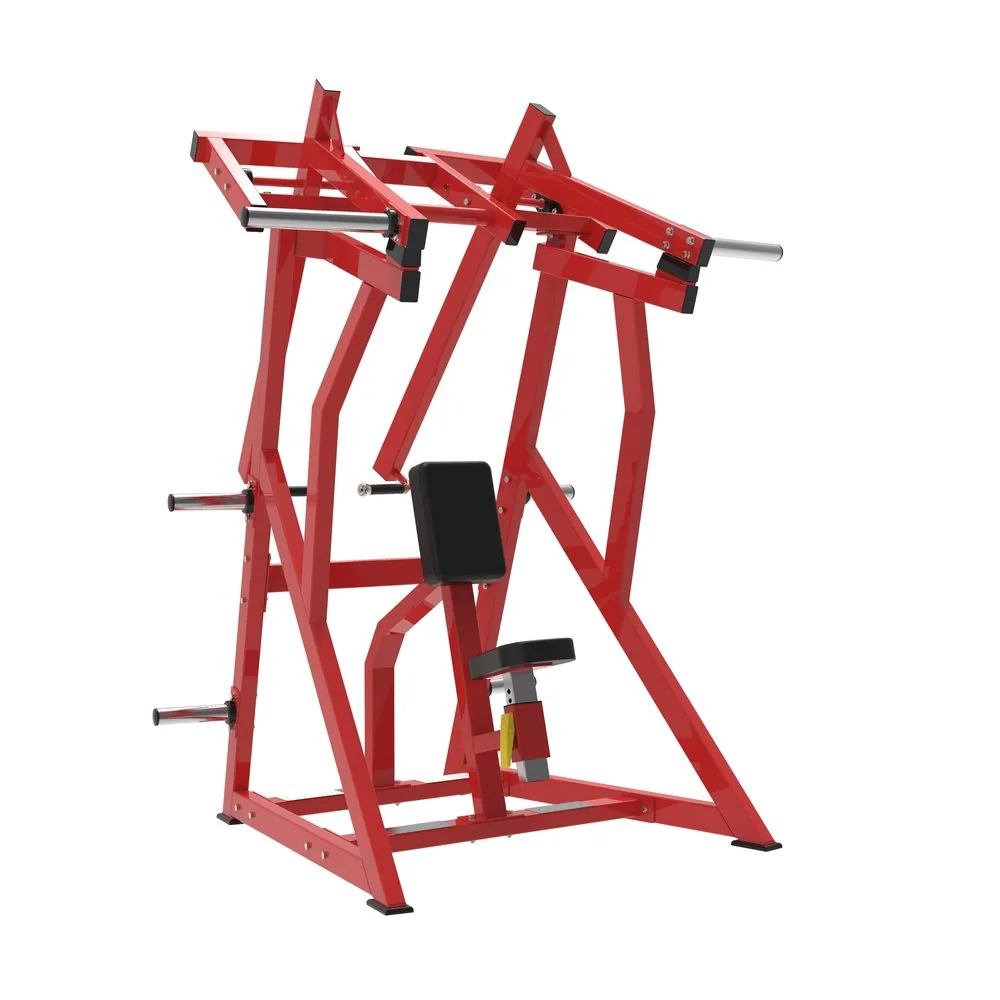
Plate-Loaded Back & Row Machines
Commercial Plate Loaded Seated DY Row
Commercial Plate Loaded Seated DY Row — Material: Powder-Coated Steel. Review model-specific specifications and RFQ checks.
Production base: Dezhou
View specifications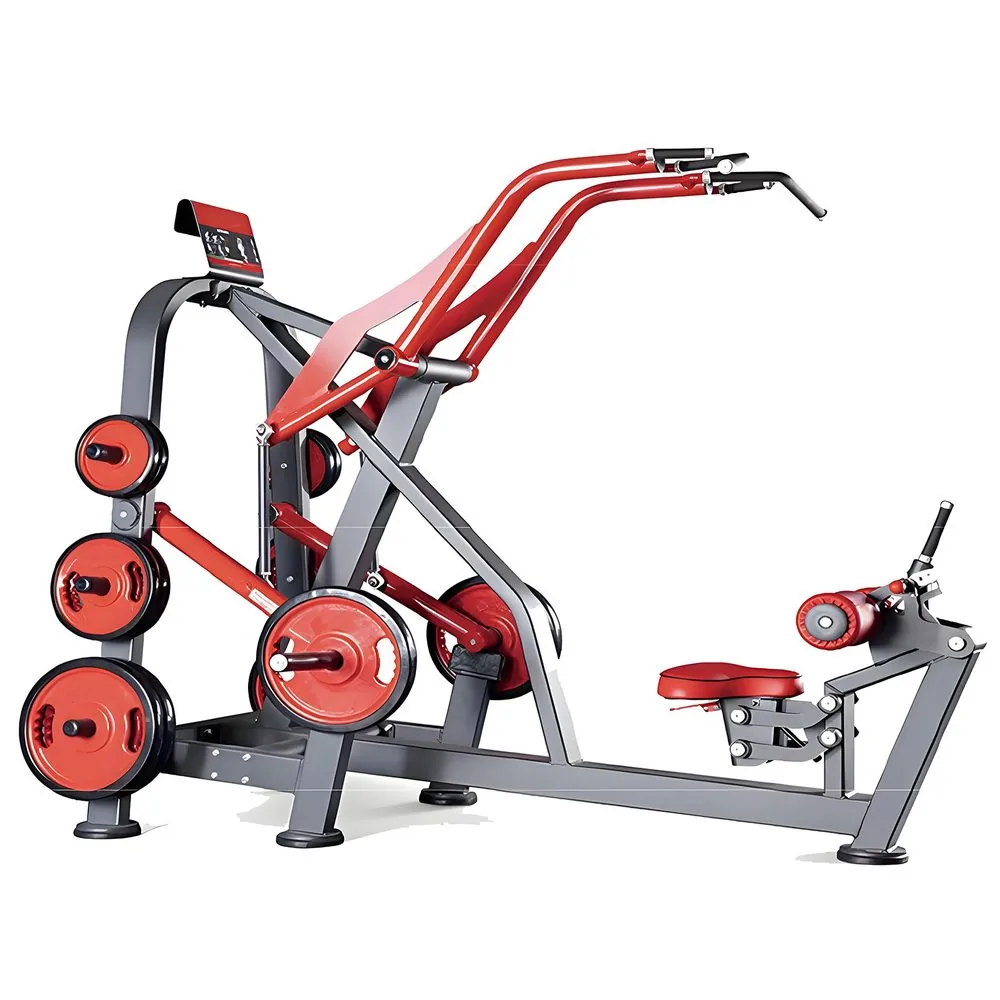
Plate-Loaded Back & Row Machines
Convergent Lat Machine
Convergent Lat Machine — Net weight: 145 kg. Review model-specific specifications and RFQ checks.
Production base: Dezhou
View specificationsXYF6050 · Plate-Loaded Back & Row Machines
Plate-Loaded Chest Supported Row XYF6050
Plate-Loaded Chest Supported Row XYF6050 — Weight: 115 kg. Review model-specific specifications and RFQ checks.
Production base: Dezhou
View specifications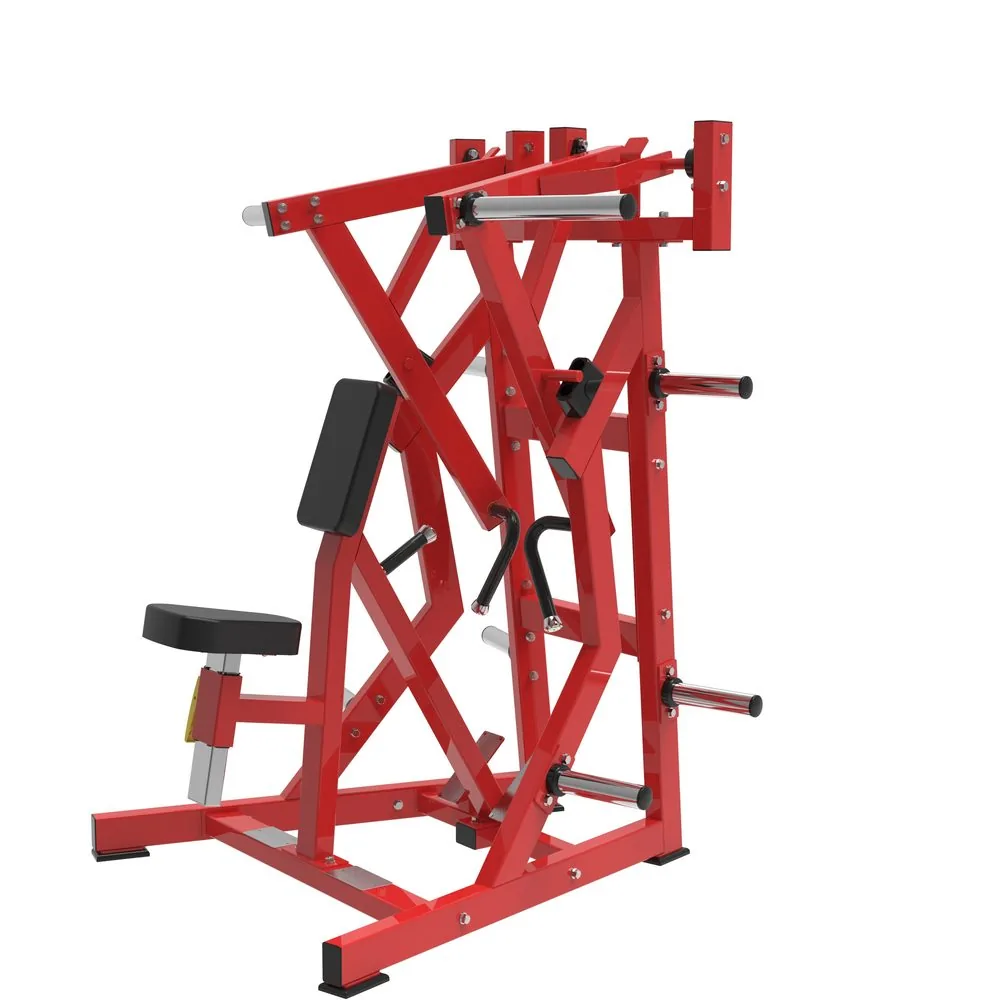
Plate-Loaded Back & Row Machines
Plate-Loaded Low Row Back Trainer
Plate-Loaded Low Row Back Trainer — Weight: 131 kg. Review model-specific specifications and RFQ checks.
Production base: Dezhou
View specifications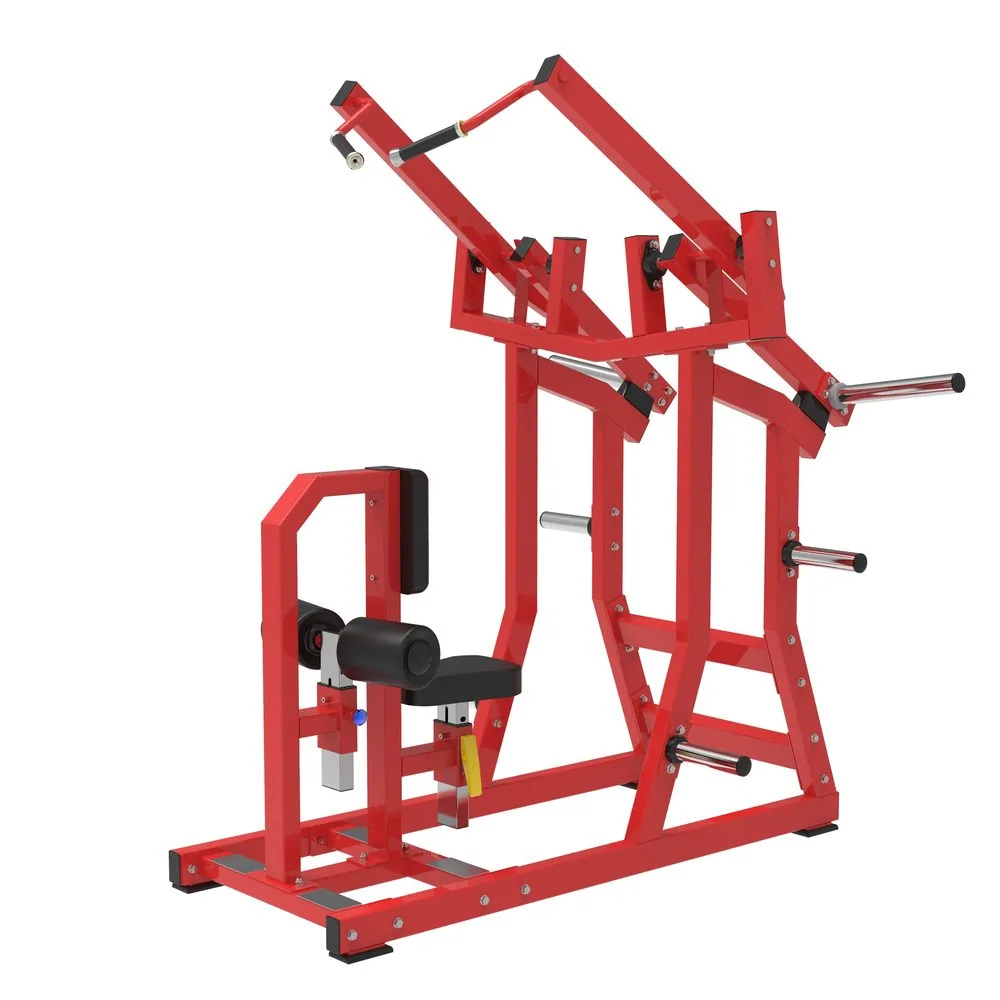
Plate-Loaded Back & Row Machines
Plate-Loaded Seated High Row
Plate-Loaded Seated High Row — Weight: 135 kg. Review model-specific specifications and RFQ checks.
Production base: Dezhou
View specificationsModel differences
What changes between projects
The main buying differences are chest support, pull angle and handle configuration. A row and a lat-pull machine may both be plate loaded but require very different user positioning.
Send with the RFQ
What helps us narrow the range
- required pull angle and handle style
- plate type, sleeve diameter and quantity
- room layout and destination market
- The exact model and configuration being priced
- Dimensions, loading or compatibility details relevant to the project
- Finish, packing and documentation items still to be approved
Related product types
Continue the equipment comparison
Buyer FAQ
Questions about this product type
How should a buyer compare plate-loaded back & row machines?
Compare the models on chest support: Review pad height, width and adjustment for the intended user group., handle positions: Compare wide, neutral, independent and multi-grip handles. and plate loading: Confirm sleeve diameter, height and access when plates are loaded.. The main buying differences are chest support, pull angle and handle configuration. A row and a lat-pull machine may both be plate loaded but require very different user positioning.
Which projects are a good fit for this range?
A strong fit for strength-focused gyms, performance facilities and distributors whose customers already own Olympic plates and want more pulling variety. Typical applications include chest-supported rows for horizontal pulling with a supported torso and reduced lower-back demand, high and low rows for different pull angles for upper-back and mid-back training and lat and converging pulls for plate-loaded alternatives to conventional lat pulldown stations.
What should be included in an RFQ for plate-loaded back & row machines?
Send required pull angle and handle style, plate type, sleeve diameter and quantity and room layout and destination market. Include destination, quantity, room constraints and any document or tender requirement needed for the exact model.
Next step
Send the room, user group and quantity
We will confirm the relevant models and identify the details that still need approval before a meaningful quotation.